

Anxiety Therapy in Greenacres, FL, and Online Throughout Florida
Are You Tired Of Waiting For The Other Shoe To Drop?
Do you lie awake at night running through everything that could go wrong while the rest of the world seems to be able to sleep just fine? Anxiety does a great job of making your world feel smaller, and your choices feel more limited. The problem is, you never hired it to do that job. It’s like the annoying coworker who won’t take redirection.
Maybe you still put on a brave face and take care of everyone around you. But deep down, you’re constantly bracing for impact. It seems like your nervous system never powers down, and you’re sick and tired of feeling like you’re on edge 24/7. You’re either replaying the past or rehearsing the future, and you struggle to focus on the present. It’s hard to concentrate at all, and the unrelenting stress causes you to lose your serenity and your temper more and more often.
Anxiety Isn’t “Just In Your Head”
Anxiety lives in your mind and body, showing up with tightness in your chest, a clenched jaw, chronic stomach problems, or persistent muscle tension. To deal with the discomfort, you might be pulling back from your relationships, turning to alcohol or other substances for an escape, or working constantly.

Looking for ways to cope is natural, but gradually, the anxiety tends to come back with more force, and the cycle gets harder to break. Meanwhile, the sense that you’re losing control over your life just grows heavier.
Through therapy, you have the power to understand what’s driving your anxiety, rebuild your relationship with yourself, and make choices that honor your values.
Anxiety Feels Isolating, But It’s Shockingly Common
Mild anxiety plays an important role in protecting us. Anxiety can help us notice risks or give us the burst of energy we need to face a challenge. But why does anxiety sometimes become chronic or overwhelming?
Adverse childhood experiences can rewire the nervous system to stay on high alert. Instances where “going along to get along” kept you safe, but they also taught your brain that the world is unpredictable and not worth trusting. Eventually, hypervigilance felt like the only way to stay in control.
Growing up in a family that didn’t openly talk about feelings can also leave you without the vocabulary or tools to process them as an adult. You end up trying to grin and bear it, yet inside, you’re carrying more than anyone knows.
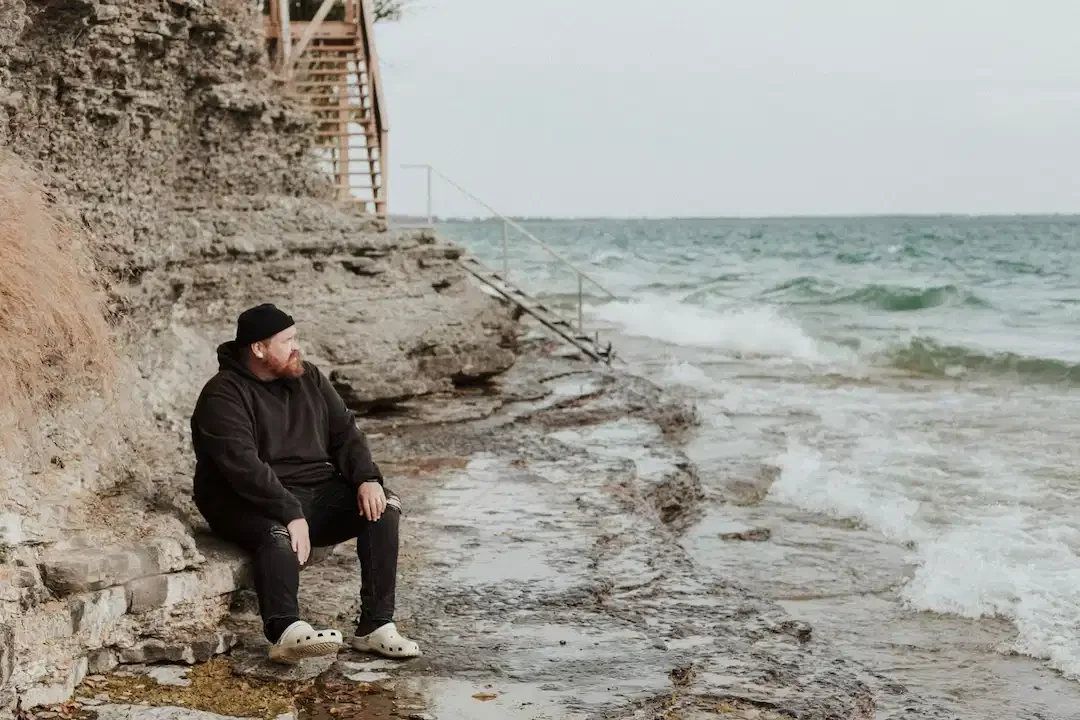
Some Coping Mechanisms Can Worsen Anxiety
Anxiety is physically and mentally taxing, and turning to temporary relief makes sense. Alcohol, pills, and other substances take the edge off for a moment. But over time, it gets harder and harder to tolerate anxiety without these coping mechanisms. The substances and symptoms feed on each other in a painful cycle.
Many people struggle to make progress on their own simply because anxiety distorts one’s perspective. It’s hard to see the way out when your vision of the future is clouded by anxiety. In therapy, you can take a clear-eyed look at what’s actually happening and find your own unique path forward.
Anxiety Therapy Can Help You Break Free From Frustrating Patterns

Lots of people start therapy not knowing how to talk about what they’re feeling, but when you have a space where you’re genuinely heard and believed without judgment, you might be surprised by how naturally your emotions start to surface. People often find that the relief of letting their guard down outweighs the discomfort around opening up. We’ll move at a pace that works for you, building trust and momentum as we go.
What To Expect In Anxiety Therapy Sessions
We’ll start our work together by mapping out a clear picture of what’s fueling your anxiety, going beyond your symptoms to understand the relationships and situations connected to them. Together, we’ll expand your emotional vocabulary so that you can name what you’re actually feeling.
From there, we’ll explore what’s in your control and what isn’t, figure out the patterns keeping you stuck, and move past insight alone. When you know what you want to change, we break those changes down into realistic, actionable steps.

Every session begins and ends with basic breathwork. A few deep breaths help you get centered, so all the stuff that’s waiting out there goes away for an hour and you get to just focus on your needs. You’ll usually let me know what you want to concentrate on most that day. Maybe we’ll also role-play conversations you’re nervous about or work through a pros-and-cons list on paper to help you make hard decisions. Sometimes it means talking things through, and sometimes it means coming up with an action plan. We’ll also examine the self-talk that convinces you the worst is coming, like catastrophizing and overgeneralizing, so you can check yourself in the moment.
In my practice, you’re never dependent on our sessions alone. We’ll ensure that you have plenty of resources with a recovery toolbox of coping skills. You’ll have access to a personalized private digital library of worksheets, readings, mindfulness meditations, videos, and practice activities chosen specifically for your needs and goals.
Treatment Approaches For Anxiety Disorder Therapy
As a therapist, I draw on a variety of strength-based, solution-focused approaches to treating anxiety that help you see and build on what’s already working in you.
Cognitive Behavioral Therapy (CBT) sheds light on the connections between your thoughts, feelings, and behaviors so you can start responding differently in stressful situations, while Dialectical Behavior Therapy (DBT) equips you with practical skills for staying present when anxiety makes everything feel like an emergency. I also incorporate positive psychology, shifting our focus from what’s wrong to identifying your existing strengths and using them as a foundation for change.
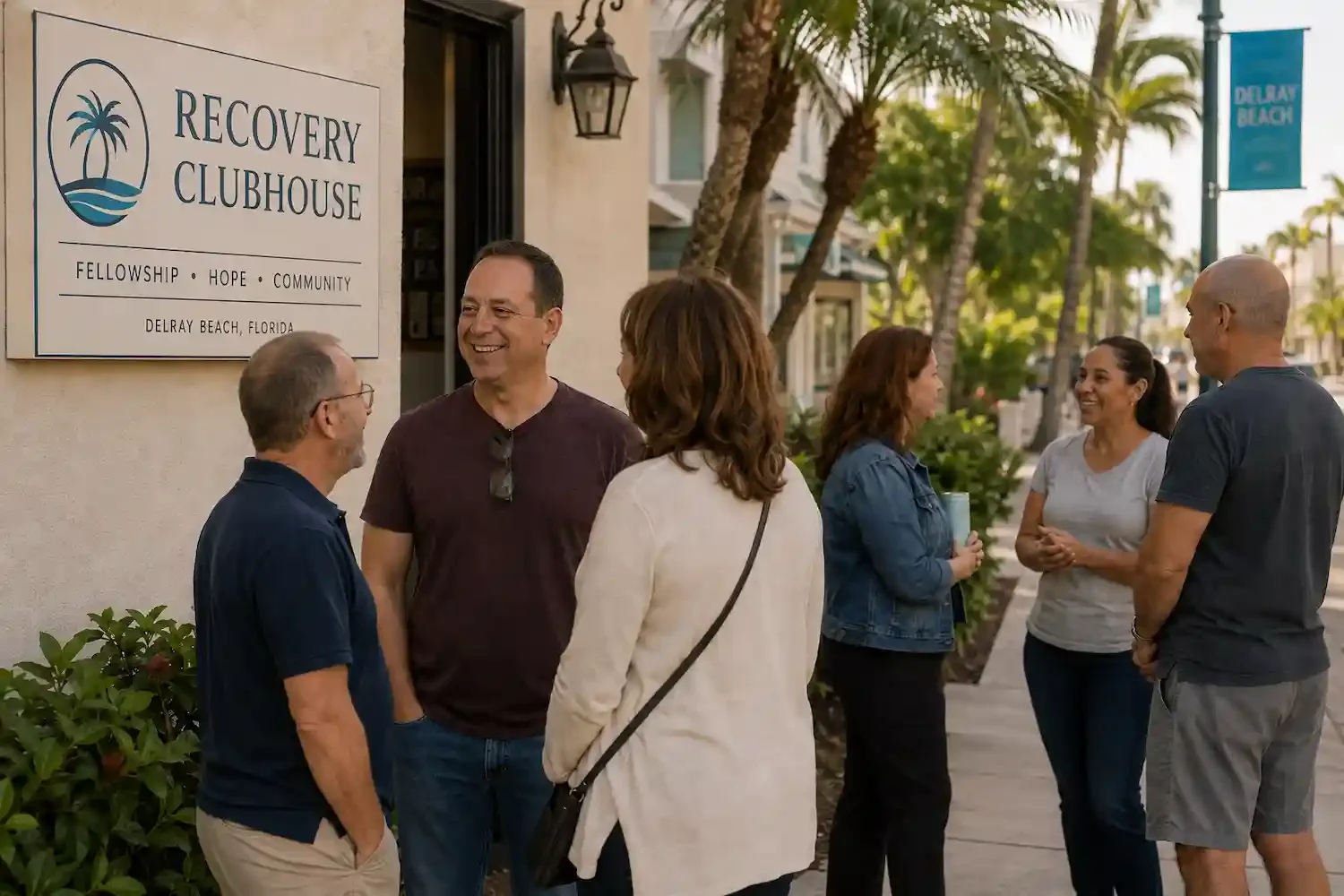
For clients who are already in a 12-step program for substance use or exploring this path alongside anxiety treatment, I bring extensive training in 12-step facilitation along with lived experience in recovery to support you.
If you’re interested in exploring medication as part of your treatment, I can refer you to an external provider who can evaluate that option with you.
By identifying and challenging the thought patterns that keep you stuck in fear, you’ll practice staying rooted in the moment instead of just “future-tripping.” Working together, we’ll make anxiety something you understand and know how to handle rather than a secret you carry alone.
But You May Still Have Questions About Anxiety Therapy…
-
If what you're doing was working, you wouldn't have reached out. There's not a problem or a person on this earth that doesn't benefit from another set of eyes and ears. I'm trained in strategies that help you get to the heart of what's causing your anxiety, and I can give you the tools to reduce it and move forward. As a bonus, attending sessions from the comfort of your home can help you feel at ease and relaxed.
-
Your anxiety doesn’t have to be catastrophic before it deserves attention. In fact, counseling can help before an anxiety disorder becomes more overwhelming. If worry, tension, dread, avoidance, irritability, sleep problems, or overthinking are interfering with your life, that is enough reason to get support. You don’t need to wait.
-
When privacy issues come up in sessions, I review my specific security procedures and provide you with psychoeducation on how to protect yourself on your end. I explain all of the technology and security systems I use, and I have a whole web page with comprehensive information. I’m always happy to answer any questions you have about the confidentiality of therapy records.
With Support, You Can Find Peace Of Mind
Anxiety doesn’t have to control your decisions. If you’re interested in online anxiety therapy, I encourage you to schedule your first session or reach out via my contact form to learn more about my practice.
Anxiety Therapy in Greenacres, FL
5700 Lake Worth Rd Suite 307, Greenacres, FL 33463
My Hours
12:00PM-9:00PM Seven Days a Week
Video sessions on Tuesday, Thursdays, and Saturdays only.
Phone and text-based therapy seven days a week.